
Getting™ Started | Ledger® Live: Desktop® | Ledger Wallet™
Ledger Live Desktop supports everyday crypto management by combining account tools, portfolio visibility, hardware wallet connections, application controls, device updates, and transaction review within one desktop environment.
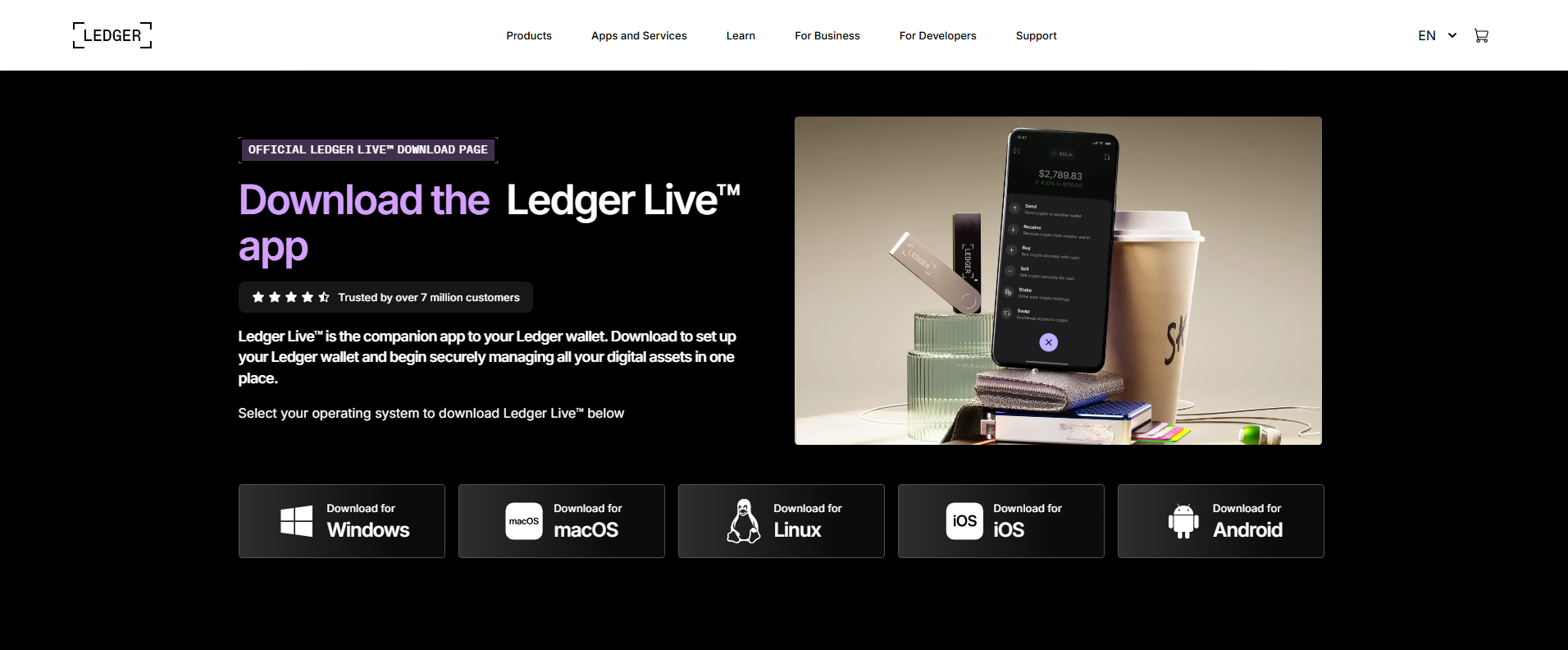
Ledger Live Desktop: Complete Guide for Secure Crypto Wallet Management
Cryptocurrency management becomes more convenient when users have a clear way to monitor accounts, review transactions, and interact with a compatible hardware wallet. Ledger Live Desktop provides a desktop environment designed to help users manage supported digital assets while keeping important security operations connected to their Ledger hardware device.
For beginners, cryptocurrency management can involve many unfamiliar concepts. Wallet accounts, blockchain applications, private keys, recovery phrases, and transaction confirmations all play different roles. Understanding these basics can help users approach Ledger Live Desktop with greater confidence and avoid common security mistakes.
What Is Ledger Live Desktop?
Ledger Live Desktop is a computer-based application designed to work with compatible Ledger hardware wallets. It gives users a central interface for supported wallet-management activities, including reviewing accounts, monitoring balances, checking transaction history, and managing compatible blockchain applications.
Rather than treating the desktop application as the place where private keys are exposed, the hardware wallet provides an additional security layer for important operations. Transaction approvals can require confirmation directly on the physical device.
This combination gives users both a convenient software interface and a hardware-based method for approving sensitive actions.
Why Choose a Desktop Wallet Interface?
A desktop computer can provide a comfortable environment for managing cryptocurrency, particularly for users who maintain several accounts or regularly review portfolio activity.
The larger display can make account information easier to read and transaction details easier to inspect. It can also provide a more organized workspace for managing supported applications and connected hardware.
For users who prefer working from Windows, macOS, or another supported desktop environment, Ledger Live Desktop can provide a practical way to interact with their compatible Ledger device.
Connecting a Ledger Hardware Wallet
The hardware wallet is an important component of the overall setup. After installing the appropriate software, users can connect their compatible device and follow the setup instructions provided for that device.
During the connection process, users should carefully review every security prompt. They should also make sure they are using trusted wallet software and a secure computer.
If a website, application, or message asks for sensitive recovery information unexpectedly, stop the process and verify the source before continuing.
Setting Up Accounts in Ledger Live Desktop
Once the hardware wallet is connected, users can work with supported cryptocurrency accounts. Account management makes it easier to separate different assets and review individual transaction histories.
When adding an account or selecting an asset, it is important to choose the correct blockchain network. Different networks can have different requirements, and sending an asset to an incompatible destination may create serious problems.
Before transferring cryptocurrency, carefully confirm the receiving address, network, amount, and other transaction information.
How Transactions Are Confirmed
One of the most important security concepts to understand is transaction confirmation. The desktop application can help users prepare a transaction, but confirmation may require interaction with the physical hardware wallet.
Before pressing a confirmation button on the device, carefully examine the information shown on its screen. The address and amount should match what you intended to send.
If anything looks different from what you expected, do not approve the transaction. Investigate the discrepancy first.
Keeping the Recovery Phrase Safe
A recovery phrase should be treated as highly confidential wallet information. It can play a critical role in recovering access to assets associated with a wallet.
Never send a recovery phrase through email, messaging services, social media, or online forms. Avoid taking digital photographs or screenshots of it as well.
A person who gains access to the recovery information may potentially gain control over the associated wallet. Keeping it private and securely stored is therefore one of the most important responsibilities of a hardware-wallet user.
Managing Blockchain Applications
Some supported digital assets require blockchain-specific applications on a compatible hardware wallet. Ledger Live Desktop can provide management tools for supported applications.
Users should install applications through trusted sources and keep their device environment organized. When managing applications, always follow the instructions associated with the specific hardware wallet and supported asset.
Avoid downloading wallet applications from unknown websites, advertisements, or links sent through unsolicited messages.
Updating Ledger Live Desktop
Keeping wallet software current can help maintain compatibility and access to improvements. Users should use trusted update mechanisms and verify that an update prompt is genuine before proceeding.
Scammers sometimes create fake wallet websites or applications that imitate familiar interfaces. These fraudulent services may attempt to collect passwords, recovery phrases, or other sensitive information.
A request to provide a recovery phrase as part of a routine software update should be treated as a serious warning sign.
Avoiding Common Crypto Security Risks
Technical knowledge is only one part of protecting cryptocurrency. Everyday online behavior also matters.
Users should be cautious with unexpected emails, social-media messages, advertisements, and websites that create urgency. Promises of rewards, account recovery, special bonuses, or immediate security fixes can sometimes be used to manipulate users into revealing confidential information.
Always verify the source before entering information or approving an unfamiliar transaction.
Making Ledger Live Desktop Part of Your Routine
A consistent wallet-management routine can make cryptocurrency easier to monitor. Users can regularly review account balances, examine transaction history, check for legitimate software updates, and confirm that their hardware wallet is operating as expected.
It is also useful to review transactions before approving them rather than assuming that familiar-looking information is automatically correct.
Good security is built from repeated habits. Simple steps such as checking addresses and protecting recovery information can make a significant difference.
Final Thoughts
Ledger Live Desktop provides a convenient desktop environment for users who want to manage supported cryptocurrency accounts alongside a compatible Ledger hardware wallet. The application can simplify account organization, transaction review, and supported device management.
However, the security of a crypto wallet also depends heavily on user decisions. Keeping recovery information private, verifying transactions on the hardware device, using trusted software, and remaining alert to phishing attempts are essential practices.
By learning how Ledger Live Desktop works and developing careful security habits, users can create a more organized and responsible approach to managing their digital assets.
Updated about 3 hours ago