
Ledger Live Desktop® — Getting Started | Official Ledger
Ledger Live Desktop brings wallet management features into one desktop experience, helping users connect devices, monitor accounts, review balances, manage applications, and verify transactions with greater convenience.
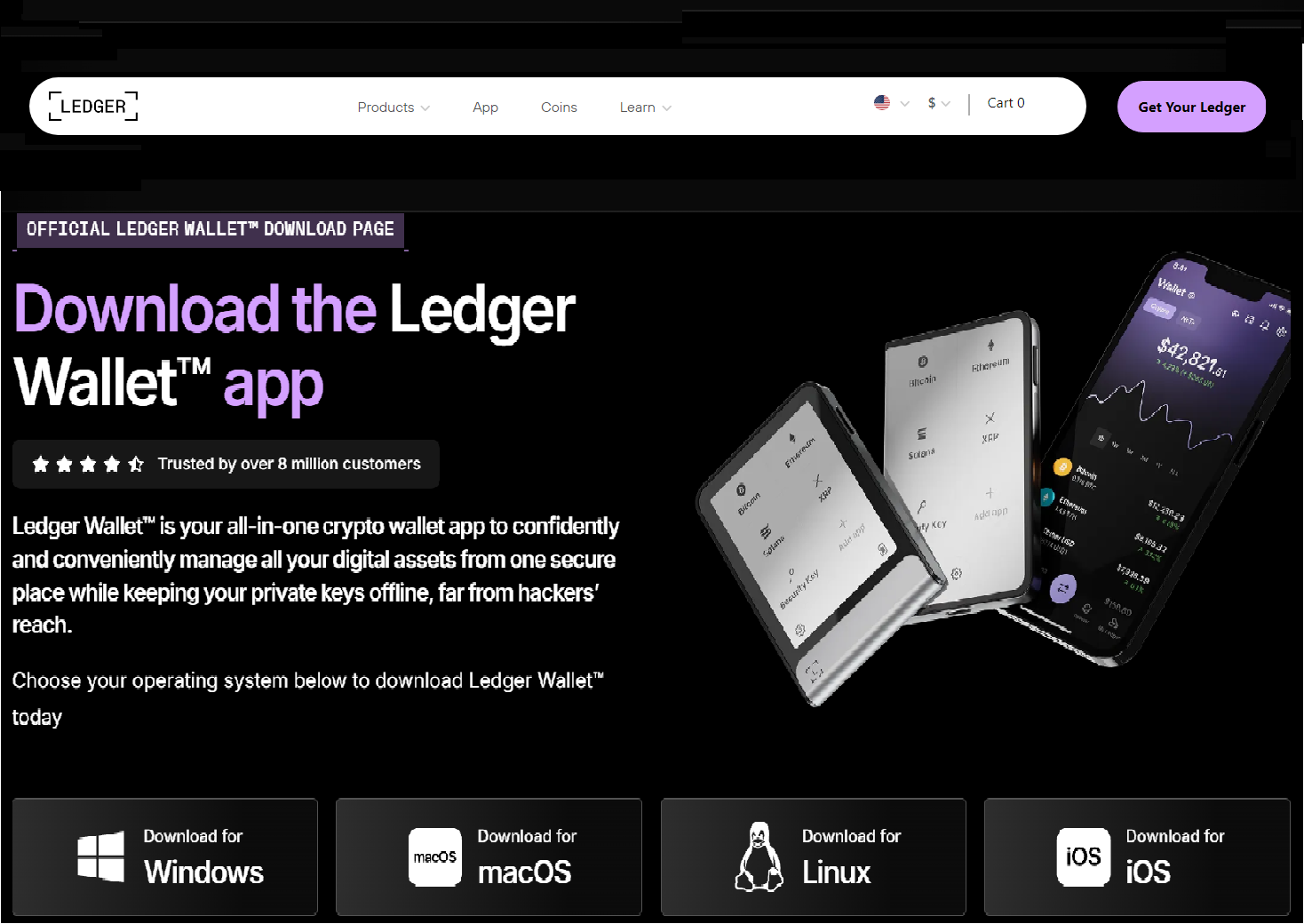
Ledger Live Desktop: A Complete Guide to Secure Crypto Management
Managing digital assets from a computer can be much easier when you have a dedicated platform that brings accounts, transactions, applications, and device management into one place. Ledger Live Desktop is designed to work alongside compatible Ledger hardware wallets, giving users a convenient way to interact with supported crypto assets while keeping sensitive signing operations on the hardware device.
For beginners, setting up a hardware wallet may initially seem complicated. Concepts such as recovery phrases, blockchain applications, private keys, accounts, and transaction confirmations can take time to understand. Learning how Ledger Live Desktop works can make the overall process more organized and easier to follow.
What Is Ledger Live Desktop?
Ledger Live Desktop is a desktop-based application used with compatible Ledger hardware wallets. It provides an interface for viewing supported cryptocurrency accounts, checking balances, managing applications, and preparing transactions.
The hardware wallet remains an important part of the security process because transaction approvals require confirmation on the physical device. This creates a separation between the computer interface and the device responsible for protecting private keys.
The desktop environment can also be useful for users who prefer managing their crypto portfolio from a larger screen instead of relying entirely on a mobile application.
Why Use Ledger Live Desktop?
One of the main advantages of using a desktop wallet interface is convenience. A computer provides more screen space for reviewing account information, transaction details, and portfolio activity.
With Ledger Live Desktop, users can organize supported accounts, monitor balances, and interact with available blockchain applications through a single interface. Depending on the assets and device being used, available features may vary.
Another important benefit is the hardware wallet connection. Instead of depending only on software displayed on the computer, users can physically confirm important actions on their Ledger device.
How Ledger Live Desktop Works With a Hardware Wallet
A hardware wallet and desktop application serve different purposes. The application provides the interface, while the hardware wallet handles sensitive signing operations.
When a transaction is prepared, the details can be reviewed through the application and then confirmed directly on the connected device. This physical confirmation step helps users verify what they are approving rather than relying entirely on information displayed on a potentially compromised computer.
Users should always read transaction information carefully before approving an action. If the information shown on the hardware device does not match expectations, the transaction should not be confirmed.
Getting Started With Ledger Live Desktop
Getting started generally involves installing the appropriate desktop application, connecting a compatible Ledger hardware wallet, and following the device setup instructions.
During the setup process, users may need to create or restore a device, install applications for supported networks, and add accounts. Each step should be completed carefully without rushing through security prompts.
A particularly important part of hardware wallet setup is understanding the recovery phrase. It should be handled according to the device's security instructions and kept completely private.
Protecting Your Recovery Phrase
The recovery phrase is one of the most important pieces of information associated with a self-custody wallet. Anyone who obtains it may potentially gain access to the assets controlled by that wallet.
For this reason, users should never share their recovery phrase with another person, website, application, or support representative. It should not be entered into random websites or online forms.
Avoid storing recovery information in screenshots, cloud storage, email accounts, messaging applications, or ordinary text documents. Keeping it offline and protected from unauthorized access is an essential part of responsible wallet management.
Managing Accounts and Digital Assets
After connecting a device, Ledger Live Desktop can provide an organized way to work with supported accounts. Users can review balances, examine transaction history, and manage different assets from the desktop interface.
Separating assets into individual accounts can make portfolio organization easier. However, users should always confirm that the selected network, account, and asset are correct before sending or receiving funds.
Cryptocurrency transactions are generally difficult or impossible to reverse once confirmed. Taking an extra moment to verify addresses and transaction details can therefore prevent costly mistakes.
Installing Blockchain Applications
Different cryptocurrencies and blockchain networks may require their own applications on a compatible hardware wallet. Ledger Live Desktop can help users manage these applications when supported.
Keeping only the applications needed for current activities can make device management simpler. Users should also pay attention to compatibility requirements and available device storage.
Application and firmware updates should be approached carefully. Users should obtain software from trusted sources and avoid downloading wallet-related programs from advertisements, unofficial websites, or unknown links.
Keep Your Software Updated
Using an outdated application can create unnecessary security and compatibility concerns. Users should regularly check for legitimate updates and follow the recommended update process.
Before installing an update, verify that the software source is trustworthy. Fake wallet applications and phishing websites can imitate legitimate services and attempt to capture sensitive information.
A genuine wallet workflow should never require a user to reveal their recovery phrase to complete a normal software update.
Common Security Mistakes to Avoid
Even a hardware wallet can be undermined by unsafe user behavior. One of the biggest mistakes is sharing recovery information with someone claiming to provide technical support.
Other common risks include approving transactions without checking the details, installing unknown software, clicking suspicious links, and entering confidential information into unofficial websites.
Users should also be cautious about messages promising rewards, urgent account verification, unexpected refunds, or security warnings. Scammers often use urgency to encourage people to make decisions without checking the source.
Ledger Live Desktop for Everyday Management
Once the initial setup is complete, Ledger Live Desktop can become a useful part of an everyday cryptocurrency routine. Users can review their portfolio, monitor account activity, manage supported applications, and prepare transactions from their computer.
A good routine includes checking account information regularly, reviewing transaction details before confirmation, keeping software updated, and maintaining secure control of recovery information.
The goal is not simply to have access to crypto assets but to create a consistent process for managing them responsibly.
Final Thoughts
Ledger Live Desktop provides a convenient desktop environment for users who want to manage supported cryptocurrency accounts alongside a Ledger hardware wallet. Its value comes from combining an accessible software interface with hardware-based transaction confirmation.
New users should take time to understand account management, applications, transaction verification, and recovery security before moving significant funds. By following careful security practices and treating recovery information as confidential, users can build a more reliable approach to managing their digital assets.
Updated about 4 hours ago